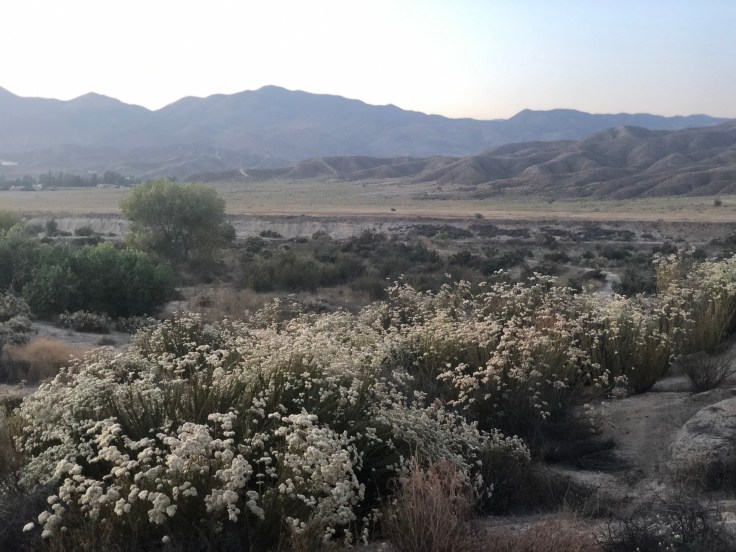
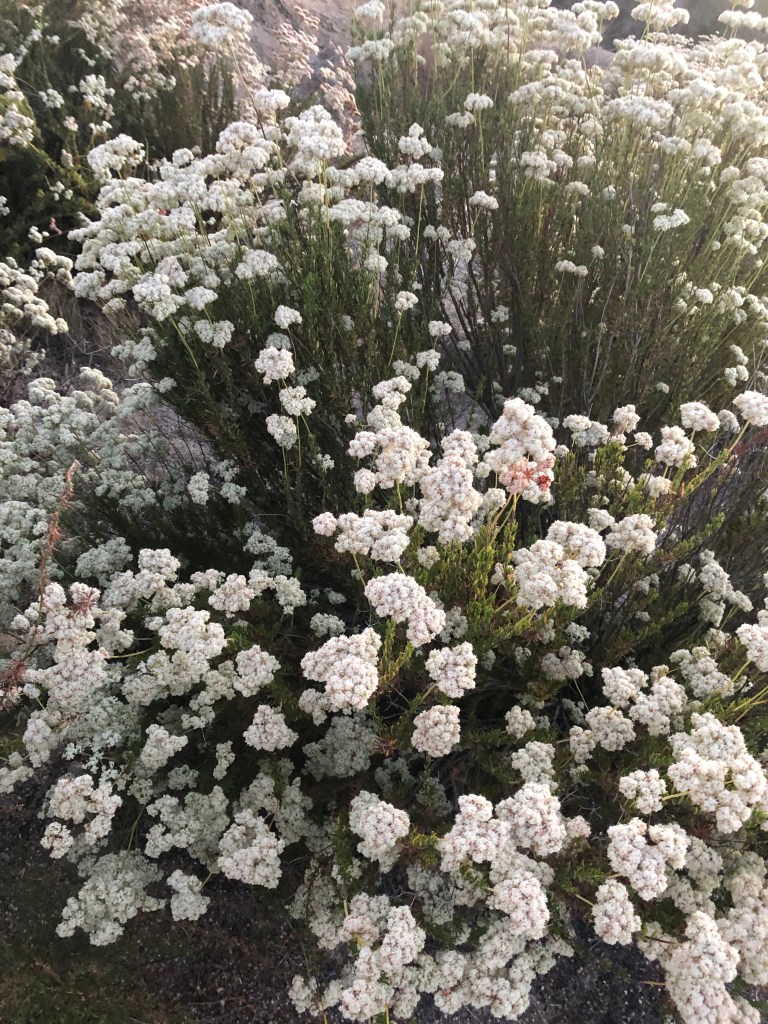
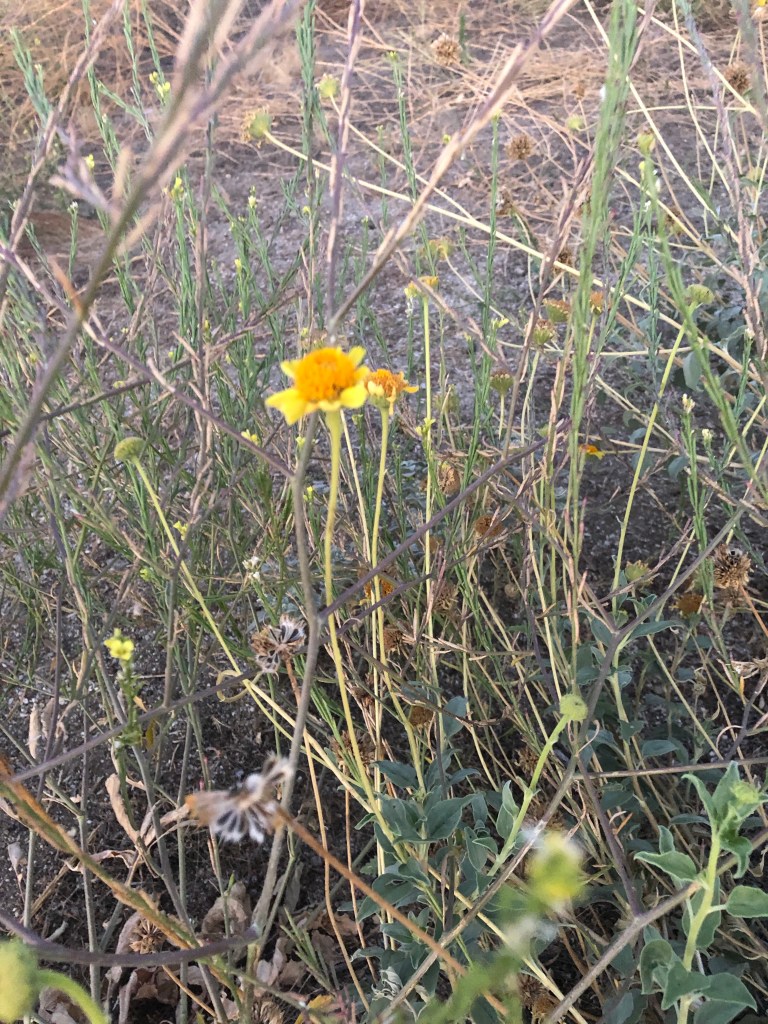
Open land with limitless scrub hidden behind an urban neighborhood in Hemet, California. The Mediterranean temperature and dry soil create a challenge for all populations living in this ecosystem. The sun burns long hours during the summer, creating high temperatures. During the winter, the sun hides causing temperatures to drop low. With rainfall slowly increasing the past few years, the amount of green vegetation has increased. There isn’t a ton of life in this area as it’s challenging for organism to survive under these conditions. I would estimate around 35 different species, including plants and animals. Plants such as the California buckwheat (Eriogonum fasciculatum) and the false goldenaster (Heterotheca sessiliflora) are found here. The California buckwheat is a native shrub to the area. It can grow up to two meters tall by three meters wide. The false goldenaster is part of the sunflower family. It grows in many different types of habitats, but it too is native to this ecosystem. I was able to identify the plants by researching native southern California plants and matching the pictures I took with pictures off the internet.
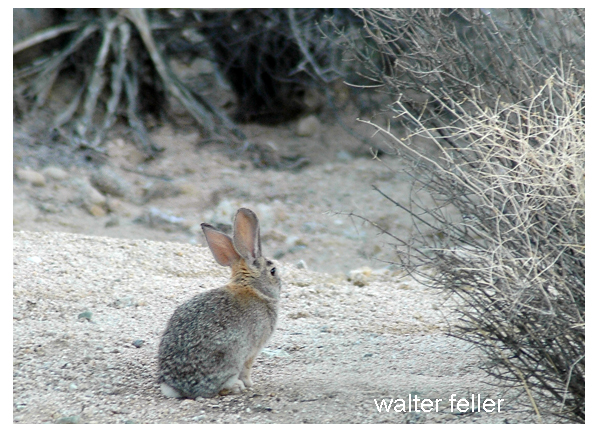
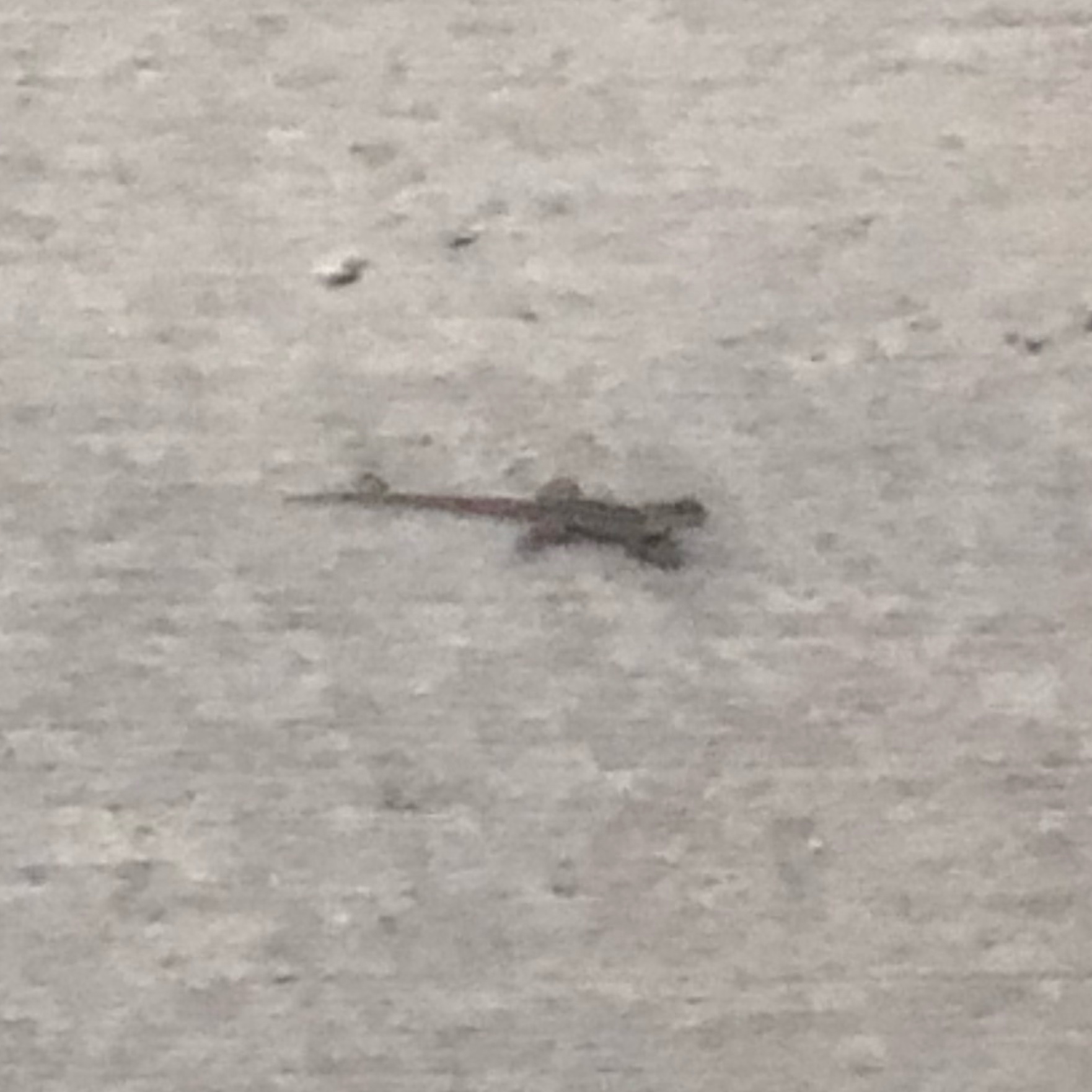
Hidden in these plants you could find the desert cottontail rabbit (Sylvilagus auduboni). The rabbits are tan colored with a yellowish tinge. I was able to identify the rabbit by researching rabbits in southern California and matching the pictures I took with pictures off the internet. The banded rock lizard ( Petrosaurus mearnsi mearnsi) can be found in this ecosystem as well. These medium-sized lizards with a greenish color can be found running around or sitting on large rocks. I was able to identify the lizard by researching lizards in southern California and matching the pictures I took with pictures off the internet. This ecosystem belongs to the desert scrub biome.
Abiotic Factors
The average temperature during the summer in this ecosystem is 85°F, and during the winter the average is below 70°F. The climate in an ecosystem is one of the determining factors when it comes to which organisms are best fit for that ecosystem. With a dry climate, not many organisms can survive. The banded rock lizard is very fit for this environment as it uses the environment to regulate its body temperature. For them, cooling off can be something as simple as moving in the shade.
This ecosystem receives very little rainfall, with an average of 2.5 in. during the winter months (January through March). With so little water entering the environment, it becomes another large determining factor as to what organisms are best suited for the environment. Plants living in this area need to be able to survive on little to no water. The California buckwheat does well in the area as it does not need supplemented water once established.

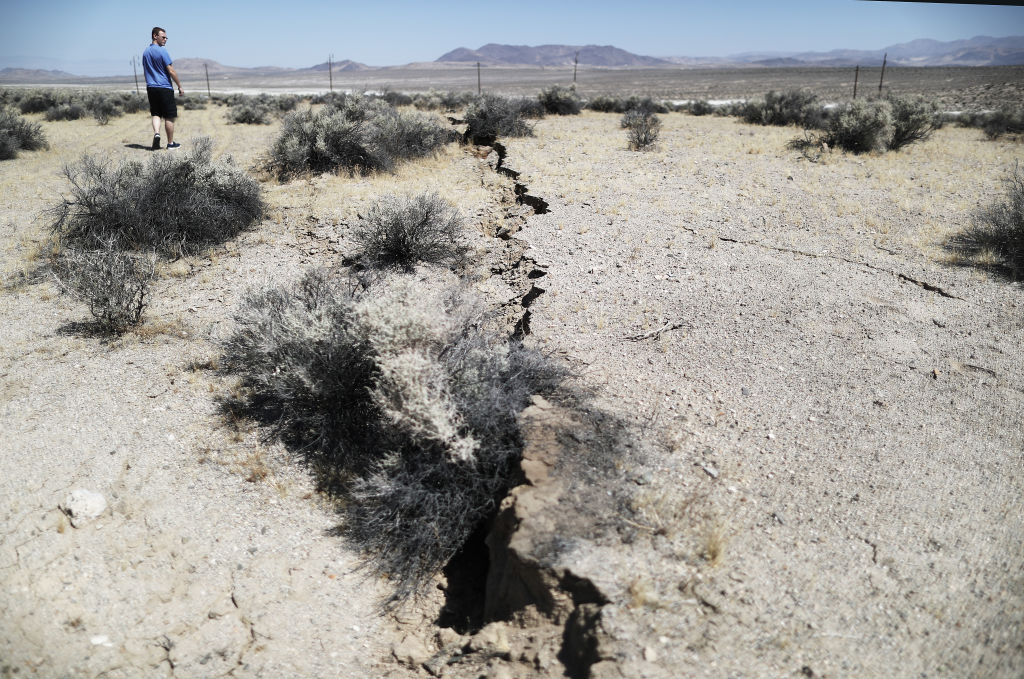
Earthquakes tend to affect the ecosystem as well. While this area has an average earthquake activity for the state of California, it’s activity is greater than the U.S. average by 702%. Larger earthquakes can create landslides, ground rupture, and forest fires. All of these can kill off populations. Landslides can kill populations by squishing it under rocks that fall down the hills, and similarly, ground ruptures can rip plants from the soil while the earth drifts apart. But forest fires have a different approach, they would just burn the whole ecosystem down.
 Desert Scrub