Plant: California Buckwheat
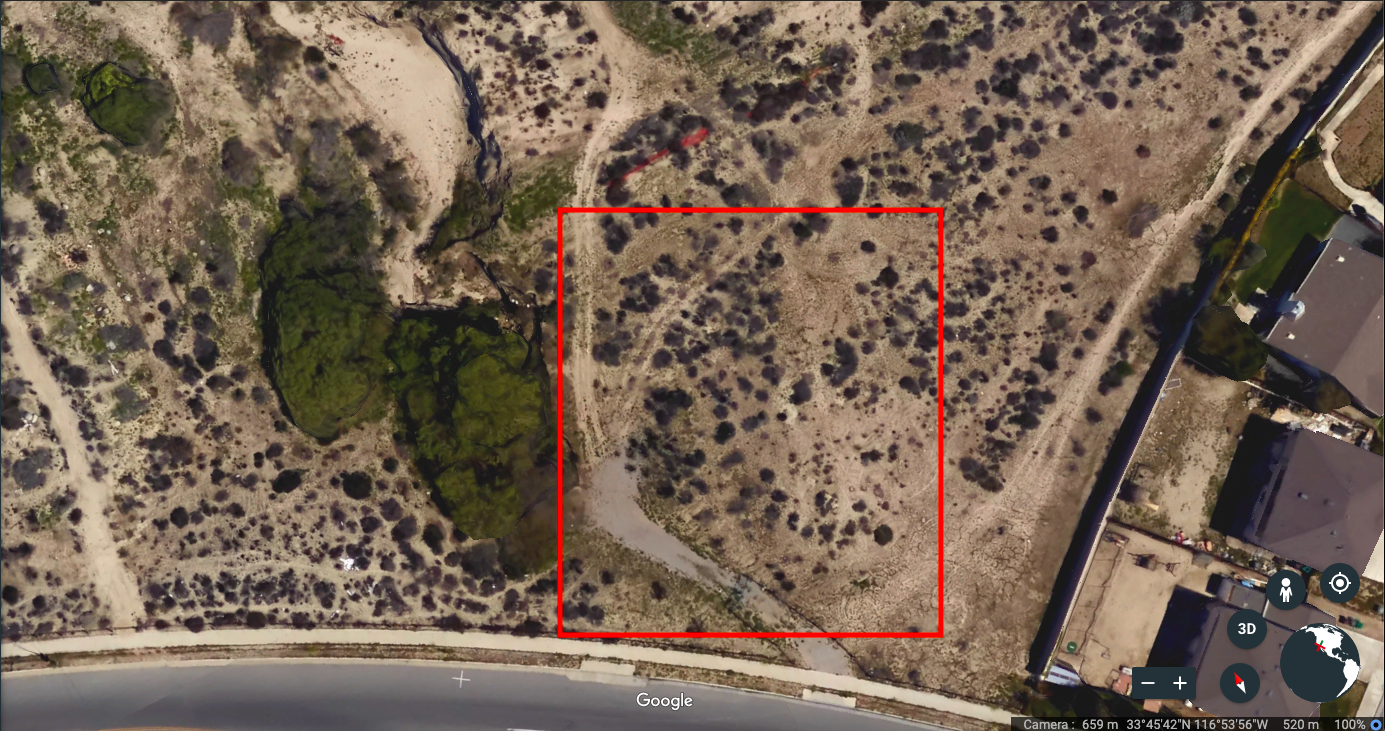
The population size of the California buckwheat is 50. My data collection method was to count the amount of plants in about half the ecosystem and multiply that number by 2.
It’s hard to say if the population size will change. I believe that it may increase after the winter as more seeds can establish themselves since they’ll have enough water. If the population does change, the extent of the change can be calculated and/or the data collection method can be used again.
All living things have limiting factors that slow down or stop their growth. The density dependent limiting factor of the California buckwheat is space. Space is limited when it comes to the California buckwheat as they grow very large, which causes them to compete for space. The density independent limiting factors of the California buckwheat are humans, forest fires, and water. Humans destroy the ecosystem by off roading or by building housing on it. Forest fires are fueled by the dead and/or growing plants. As the seeds are dropped from the flower in the fall, there isn’t always enough water for the seeds to use to grow.
The plants have a random pattern of distribution, since the seeds are dropped from the flower of the plant. Then, the wind picks the seeds up and disposes them randomly throughout the ecosystem.
This population of California buckwheat is R-selected as the density dependent factors play a smaller role in the population size. Humans and forest fires are causing a larger decrease in the population than space as they occur more often. They also limit the about of damage space can do to the population since they are removing the California buckwheat from the ecosystem and in turn clearing out space.
The California buckwheat has a type III survivorship curve as it produces many seeds, but only 25% of them make it to seed germination.
Animal: Desert Cottontail Rabbit
The population size of the desert cottontail rabbit in my ecosystem is 4. My data collection method was to count the amount of rabbits in about half the ecosystem and multiplying that number by 2.
Once again, it is difficult to say if the population will increase, but I believed that since the hotter months are arriving, many plants may start to die. This would cut down food supply for the rabbits, which would result in the decrease of the population. If the populations was to change, the extent of the change could be calculated and/or the data collection method can be used again.
All living things have limiting factors that slow down or stop their growth. The density dependent limiting factors of the rabbits are food, space, and predators. Food creates competition as there is a smaller supply during certain months of the year because plants start to die due to heat. Space available is a limiting factor as rabbits use underground holes to hide from predators. If there isn’t enough space to dig, the rabbits are easier to spot by predators. Predators (coyotes, mountain lions, hawks, snakes) like the rabbits as they’re small; they are a very popular target.
The rabbits have a random pattern of distribution because they live in holes they dig up, which they line with dried grass and fur, and in already existing holes they come across.
This population of desert cottontail rabbits is K-selected as the density dependent factors play the largest role when it comes to limiting the population size. There are only so many places where the rabbits can dig homes that predators can’t get in, or they only have so much food to eat.
The desert cottontail rabbits have a type III survivorship curve as they’re small animals that predators like to feed on.
 Desert Scrub